AC Repair in Kansas City MO: Ensuring Safe, Correct Performance After Service
Kansas City summers can feel like they’re waiting for the first truly hot day to start counting down. You plan your evenings around the thermostat, you notice how quickly the house warms once the system struggles, and you pay attention to the small sounds that usually disappear. Then something shifts. The AC runs longer than it should, it blows air that feels tepid for the first few minutes, or it turns off early and doesn’t explain itself.
When that happens, the goal of an AC repair in Kansas City MO isn’t just “get it cold again.” It’s get it operating safely, get it operating correctly, and make sure the fix doesn’t introduce new problems. I’ve learned the hard way that a system can seem fine for a week and still be wrong under the hood. Proper HVAC repair in Kansas City MO means you want measurable performance and repeatable results, not guesses.
This is also why picking the right HVAC contractor in Kansas City MO matters. AC work isn’t just swapping parts. It’s diagnosis, system airflow, refrigerant handling, electrical checks, and verifying outcomes before the tech packs up the tools. The days of “it probably just needs a recharge” are mostly behind us, and the local climate makes thorough troubleshooting even more important.
Why “safe and correct” is the real standard
In a home, the air conditioner sits at the intersection of comfort and safety. It deals with high-voltage wiring, pressurized refrigerant circuits, condensate drainage, and components that can degrade quietly for months. A sloppy repair might cool the house briefly but still leave behind conditions that stress the compressor, fry a control board, or cause water issues around the indoor coil.
In Kansas City MO, we also get a mix of humidity and heat. High humidity loads the system differently than a dry climate. The indoor coil has to remove moisture while maintaining proper airflow. If airflow is weak, the coil can ice up intermittently, and you get a frustrating cycle of “it’s working, then it’s not.” A repair that ignores airflow can look successful at first, then fail when the humidity returns.
I remember one call from a few summers back. The homeowner said the AC “wouldn’t blow cold until later,” and when it did, it sounded like it was working too hard. The initial assumption from prior service was that the unit needed a refrigerant adjustment. When I checked the setup, refrigerant readings alone didn’t tell the full story. The indoor blower speed and filter condition were off enough to change coil performance. Once airflow was corrected and the system was evaluated as a matched set, the “later” cooling problem disappeared. The unit never needed the kind of correction that had been talked about on the first visit.
That’s what safe and correct performance means in real life. You treat symptoms, but you also validate the operating conditions that caused the symptom.
The common AC problems you see around Kansas City
Not every complaint sounds the same. People notice different parts of the experience, and those differences are useful. I’ve seen patterns repeat across neighborhoods, especially during the first heat wave of the season.
A unit that short-cycles, meaning it turns on and off quickly, often points to protection controls, improper airflow, thermostat issues, or an electrical problem that interrupts operation. A unit that runs nonstop but struggles to cool usually involves capacity issues like refrigerant imbalance, compressor or fan problems, restricted airflow, or a problem with the outdoor unit heat rejection. A unit that blows warm air but the indoor fan runs usually suggests refrigerant circuit issues or a control problem that prevents the compressor from starting properly.
Then there are the less obvious ones. A drain line clog can lead to water overflow that creates a musty smell or wet drywall around the air handler. If an evaporator coil freezes due to restricted airflow, you can also end up with a condensate overflow once the coil thaws. These aren’t always “AC repair” questions at first glance, but they are part of the same service work and the same responsibility.
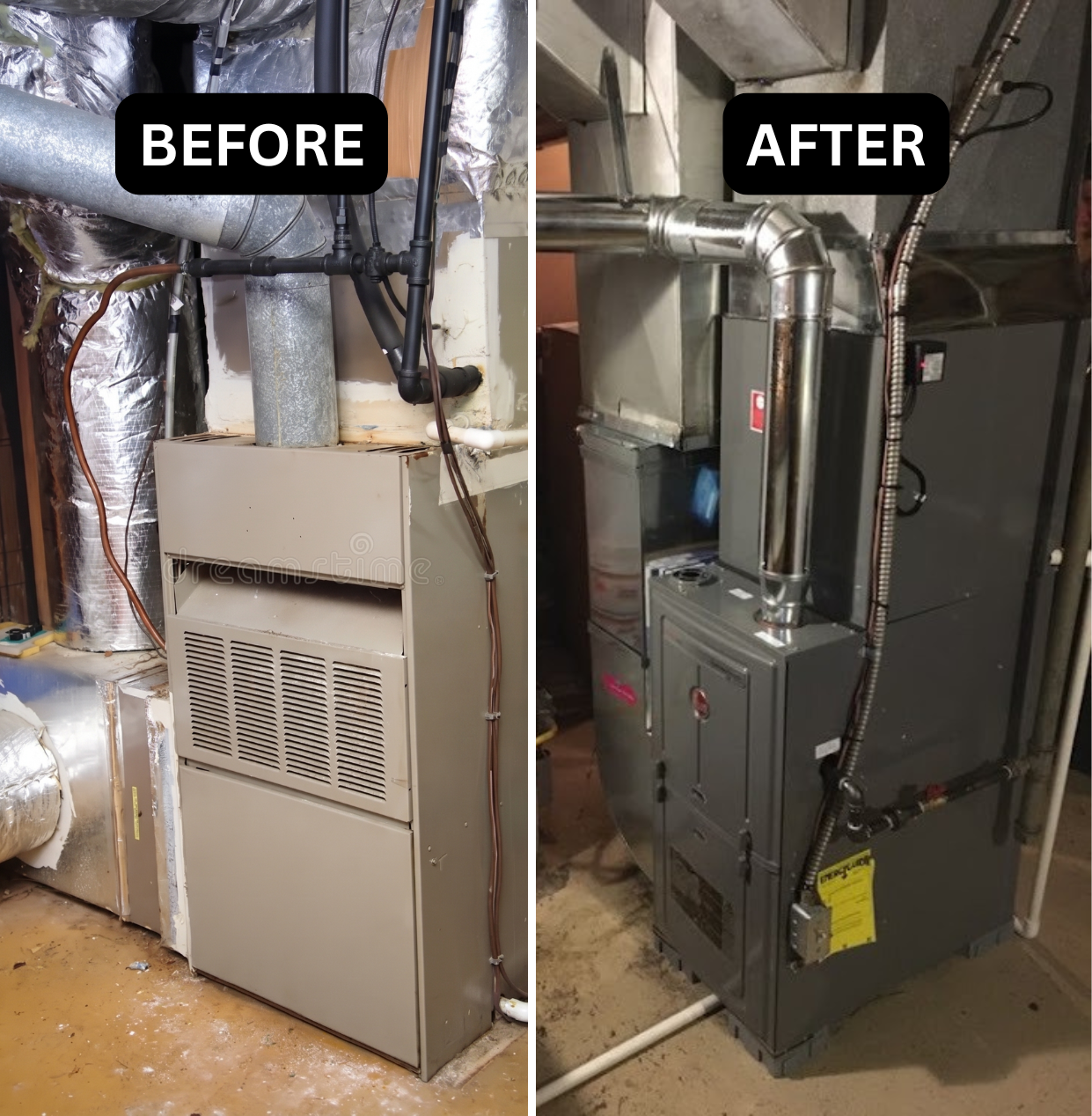
Humidity adds another layer. If airflow across the evaporator coil is too low, the unit may chill the air stream differently and fail to dehumidify well, so the house feels sticky even when the temperature drops. A homeowner might describe it as “the AC runs but it doesn’t feel like it’s cooling.”
This is why HVAC repair in Kansas City MO should be built on diagnosis, not just temperature complaints. Temperature is only one outcome. Airflow, humidity removal, electrical stability, refrigerant pressures, and component operation all have to line up.
What a good repair process looks like
A responsible service visit usually follows a logic chain. You don’t just measure one thing and stop. You gather enough information to confirm what’s happening, then you confirm that the repair fixed the real cause.
Here’s what that often means in practice:
- Techs check the thermostat and the control sequence first, because a staging or wiring issue can mimic a refrigerant problem.
- They inspect the indoor blower and filter conditions, since a blocked filter or wrong blower setting can swing airflow enough to trigger freeze-ups or poor cooling.
- They evaluate electrical components and safeties, including contactors, relays, and outdoor fan operation.
- They verify refrigerant system performance with proper tools and appropriate procedure, not quick assumptions.
The right approach matters because AC systems are coupled. Change airflow and your refrigerant behavior changes. Fix refrigerant imbalance and you may still have an issue if the airflow path is wrong. Replace a capacitor and you may restore start-up, but if the fan motor has underlying issues, the problem can return.
I’ll say this plainly: the best contractors don’t rush to the first part that seems easy to swap. They chase the cause, then test the outcome.
Refrigerant handling: the part people misunderstand most
Refrigerant issues are common, but the way they’re discussed is often oversimplified. It’s easy to hear “recharge” and assume refrigerant is simply low because the system used to be fine. Sometimes that’s true. Leaks happen. But sometimes the system ran poorly long enough that the components and operating conditions tell the refrigerant story differently, and sometimes the “low refrigerant” talk is used when airflow or metering issues are actually to blame.
A careful HVAC contractor in Kansas City MO will treat refrigerant measurements as part of a bigger picture. Proper assessment generally requires:
- accurate tools,
- correct placement of sensors,
- stable operating conditions,
- and a check for underlying causes like restricted metering devices, inadequate airflow across the coil, or a leak.
One of the safest practices is not trying to mask a leak by repeatedly adding refrigerant. If a system is losing refrigerant, it usually needs a leak evaluation and repair plan. Adding refrigerant without addressing the reason is a short-term fix with a long-term cost, and it can damage the compressor if the system repeatedly runs out of the operating envelope.
There’s also the safety and compliance angle. Refrigerant is regulated, and technicians should be handling it according to current standards and good practice. Beyond the paperwork, safe recovery and appropriate pressure management protect both the home and the service tech.
Electrical and control issues: the invisible causes of “random” behavior
A surprising number of AC service calls start with a complaint like “it worked fine yesterday.” Then the next day, the compressor doesn’t start, the unit clicks, or the whole system shuts down and waits.
Those symptoms can come from the electrical side of the system. Capacitors can weaken, contactors can pit, control boards can fail, and wiring connections can loosen with heat cycles and vibration. The thermostat itself can also be the culprit, especially if a battery powered unit or a low voltage wiring path is intermittently failing.
A good repair process won’t ignore these signals. If the compressor isn’t starting, the system can have enough airflow and refrigerant but still fail because it cannot run. If the unit short-cycles, electrical and control safeties can be reacting to abnormal conditions, not just “something that needs a reset.”
I’ve seen cases where a compressor contactor tested “kind of okay,” but under load it wasn’t reliable. On paper it still looked usable. Under the real operating conditions, it was the difference between a steady run cycle and a repeated shutdown.
That’s why safe and correct performance after service includes verification under conditions that match the customer’s complaint. If you fix a control component but don’t confirm stable operation across the cycle, you haven’t really solved the problem.
Airflow and the indoor side: filters, ducts, and blower speed
In many Kansas City homes, the indoor air handler and ductwork are the hidden drivers of AC performance. Filters get clogged, return paths get blocked by furniture, and blower speed settings can change after past service. The result is often symptoms that look like cooling system failures.
Reduced airflow can cause:
- coil freezing,
- increased energy use,
- poor dehumidification,
- and uneven room temperatures.
Conversely, too much airflow can also create problems, depending on the system’s design and the static pressure conditions. That’s why airflow checks matter. A technician who measures and verifies airflow conditions is doing more than “making sure it’s blowing.” They’re ensuring the system can remove heat and moisture as designed.
A quick anecdote comes to mind from a home with a constant “wet” feeling in the upstairs rooms. The AC temperature looked acceptable at the thermostat, but humidity stayed high. The indoor blower ran, yet the coil performance was inconsistent because of an airflow imbalance between returns and supplies. Once the airflow path was corrected and the system was tuned for proper operation, the home felt meaningfully drier. That wasn’t a refrigerant fix. It was an air movement fix that changed real comfort.
If you’re scheduling AC repair in Kansas City MO, ask yourself whether you’ve addressed the basics recently. Filter condition matters, and it’s easy to overlook. But also know this: if airflow is off because of duct restrictions or blower configuration, the right HVAC repair needs to find that root issue. A good technician can tell the difference between a dirty filter and a system that is fundamentally out of balance.
Condensate drainage and humidity control after repairs
Even when cooling returns, homeowners sometimes notice new water issues after a service visit. That can happen if a tech disconnects or reconnects parts and doesn’t confirm drain line flow, if the condensate line is partially blocked, or if the system is operating differently than before and producing more condensate.
In humid weather, you can often see condensate behavior change quickly. The indoor coil removes moisture, and if the drain path can’t keep up, it can lead to overflow. Sometimes overflow shows up as HVAC contractor in Kansas City MO a drip in the wrong place, sometimes as a smell, sometimes as a wet panel on the air handler.
Correct AC repair includes checking condensate drainage and confirming that the trap and line are clear. It also includes observing that the system’s run cycle and coil condition are normal, so you’re not chasing water problems caused by freezing and thawing cycles.
What to ask during an AC repair visit
You don’t need to memorize HVAC engineering to be a good customer. You just need to ask questions that push the service toward transparency and verification.
Here are a few things I recommend people ask, because they tend to separate “guess and fix” from “diagnose and prove”:
- What exactly was wrong, and what measurement or observation confirmed it?
- What changed after the repair, and what should the system do differently when it runs?
- How will you verify performance before you leave, not just after parts are replaced?
- If the issue involved refrigerant, was there a leak check, or is the plan simply to add refrigerant?
- What maintenance or settings should the homeowner keep an eye on so the problem doesn’t return quickly?
A professional HVAC contractor in Kansas City MO will answer those questions clearly. They should be comfortable explaining what they tested and what outcomes they expect.
If you get vague responses like “it needed some work,” that doesn’t help you predict anything. You should push for specifics.
Common post-service issues and how they’re handled
The right contractor treats the “after” portion as part of the job. If a system is repaired, it should be verified across a normal operating period, at least enough to confirm stable start-up, steady run, and correct shut down.
Still, there are scenarios where problems resurface quickly. Sometimes it’s because the original diagnosis found one problem but uncovered another that was masked. Sometimes it’s because the system needs time to stabilize under peak outdoor temperatures. Sometimes it’s because a homeowner’s behavior changed after service, like a thermostat setting or a filter replacement that wasn’t done.
A good company doesn’t get defensive about that. They revisit the complaint, recheck key measurements, and focus on whether the system is performing as expected.
I’ve had calls where a repair was technically correct but the thermostat was configured in a way that reduced comfort. For example, “hold” modes or unusual fan settings can prevent normal cycling behavior. The repair was done right, but the thermostat settings created the symptom again. The fix then wasn’t another part swap, it was restoring the intended operation AC repair in Kansas City MO and educating the homeowner.
That’s another part of safe and correct performance. It includes making sure the entire system experience matches what the home needs.
AC installation and why repairs and installs are related
Even if your immediate goal is AC repair, it’s worth understanding how installation quality affects repairs later. A unit installed poorly can run, but it can run “wrong.” That increases wear, affects efficiency, and changes the baseline a technician uses when diagnosing later.
AC installation in Kansas City is a service area where small decisions can create big downstream effects. Correct sizing, proper airflow design, good duct connections, and correct refrigerant line setup all matter. A system that is oversized for the home can short-cycle in humidity conditions, while an undersized system might run constantly and wear out faster.
When you get an AC repair after a previous installation, the technician should still evaluate the system’s baseline performance. They may need to confirm whether the unit is operating within normal design assumptions. If the original install left the system prone to icing or poor dehumidification, a repair alone may not fully restore comfort.
In practical terms, this means you might need more than one service category. For example, a short cycling issue might lead to a diagnosis that the indoor airflow is not set correctly for the system match, or that the return duct is undersized. The “repair” becomes partly an airflow and configuration correction, not just parts replacement.
AC maintenance: the preventative work that protects the repair
AC maintenance in Kansas City is not just a seasonal ritual. It’s how you reduce the probability of a breakdown on a day when everyone needs a working system.
Maintenance can catch problems while they’re still minor: a sluggish blower, a drain line starting to clog, electrical connections that are loosening, filter restrictions, or refrigerant-related issues that are developing. The earlier you catch those, the less likely you are to face a full compressor replacement or extended downtime during a heat spike.
The trade-off is time and cost versus risk. Skipping maintenance can feel economical short term, but repair costs tend to rise once the system has been forced to compensate for a problem. I’ve also seen systems fail during peak use because the “signs” were there, but the system was run through multiple hot weeks while the underlying issue grew.
Maintenance isn’t complicated, but it is specific. A solid plan includes filter management, careful inspection of coils and drainage, electrical checks, and verification of operating performance. The best contractors treat maintenance as an opportunity to measure and document. That record makes future AC repair in Kansas City MO far more predictable.
How to choose the right HVAC contractor in Kansas City MO
There are plenty of service companies, but not all of them do the same kind of work. Some focus on fast fixes and quick turnarounds, which can be fine for certain problems. Others take the time to verify performance and explain what they find.
When you’re choosing, look for signals of professionalism rather than marketing language. Here are a few practical indicators:
- The technician asks questions and explains what they will check.
- They protect your home during service, and they keep the job site tidy.
- They document measurements, not just what parts they replaced.
- They confirm safe operation before leaving.
- They follow up if the issue returns quickly.
You can also pay attention to how the company handles the first visit. If the first diagnosis seems thorough and the repair plan makes sense, that’s a better sign for future service than a company that pressures you into replacing major components without confirming root cause.
A realistic example: when the fix wasn’t what it seemed
Let me share a case that sticks with me because it highlights why “safe and correct” matters after service.
A homeowner called with a complaint that the unit started fine but warmed up in the afternoons. At first, it sounded like a refrigerant or compressor issue. The compressor ran, the indoor fan moved air, but cooling seemed to fall off as outdoor conditions peaked.
If you only focus on temperature, you can end up chasing the wrong part. The tech might replace a component, get the unit cooling again for a short time, then the complaint returns. In this case, the real issue was a combination of airflow restrictions and a control behavior that responded poorly under peak load. Once the airflow conditions were corrected and the system was verified with proper checks, the cooling held steady through the hottest part of the day.
The lesson is simple, and it’s the reason I emphasize verification: a system can be “partially repaired” if you miss the operating condition that drives the symptom. The safe, correct fix is the one that restores stable performance when the stress test shows up, which in Kansas City usually means hot afternoons and humidity.
What you can do between service visits
After AC repair, a few small actions help the system stay healthy and prevent “repeat calls” that waste time and money.
Start with basic filters and airflow. Use the right filter type and change schedule for your home. Don’t block returns. Don’t put objects right up against the outdoor unit or restrict the airflow path.
Next, pay attention to how the system sounds and behaves. If you hear unusual buzzing, see water where it shouldn’t be, or notice that it cycles too frequently, note the pattern and schedule an inspection. Sometimes early intervention is the difference between a minor repair and a larger one.
Also consider thermostat behavior. If you have a programmable thermostat or smart thermostat, make sure you’re using it in a way that matches your comfort goals. Some homeowners unintentionally create conditions that lead to short-cycling or reduced dehumidification.
You don’t have to become an HVAC technician to be observant. You just need to treat comfort issues like clues, not inconveniences.
When it’s time to consider a bigger step
Most AC repairs are straightforward once the diagnosis is right. But sometimes the issue is systemic, meaning multiple components have aged poorly or the system is struggling to maintain normal performance. In those cases, a repair might still be the right move temporarily, but it may not be the most economical long term solution.
This is where an honest HVAC contractor in Kansas City MO earns trust. A good company explains trade-offs: repair now versus bigger fix later, the likelihood of recurring issues, and what maintenance could extend the system’s life. If an AC installation is being discussed, you want the evaluation to be data driven, not sales driven.
It helps to ask what operating conditions the system currently meets, how those conditions compare to the design, and what the realistic path looks like based on your comfort requirements and budget.
The bottom line on post-repair performance
AC repair in Kansas City MO should leave you with more than a cold house. You should have confidence that the system is operating safely, with airflow and refrigerant behavior that match the design. You should feel stable performance during hotter stretches, not just relief during a mild day.
Safe and correct performance is measurable. It’s visible in steady cooling, proper dehumidification, normal run cycles, and clean condensate drainage. It’s also visible in how the technician verifies the system before leaving and how the contractor stands behind the work if your complaint returns.
If you’re dealing with inconsistent cooling, high humidity, strange noises, or repeated shutdowns, don’t treat those as unavoidable annoyances. They are signals. The right HVAC repair is the difference between a system that works for a week and one that works through the rest of the summer without surprises.
And if you’re looking ahead to AC maintenance in Kansas City, that’s the step that turns expensive “emergency” service into planned work. The upfront effort pays back quickly when the next heat wave hits and your home stays comfortable, not just temporarily cool.
All 4 One Heating & Cooling
5828 Woodland Ave, Kansas City, MO 64110, United States
816-699-8366
[email protected]
Website: https://all4onekc.com/